Finding High-Quality Local Honey: How to Locate the Best Local Honey
- ellabugshives
- Feb 9
- 4 min read

There’s something truly special about local honey. It’s not just a sweet treat; it’s a little jar of nature’s goodness, packed with flavors unique to the flowers and plants around us. When we choose local honey, we’re supporting nearby beekeepers and enjoying a product that’s fresh, natural, and often more nutritious than mass-produced options. But how do we find the best local honey? Let’s explore this together and uncover some simple, friendly tips to help us bring home the finest honey from our own community.
Why Choosing Local Honey Matters
Local honey is more than just a tasty addition to our tea or toast. It carries the essence of the local environment, reflecting the blossoms and seasons of our area. This means every jar tells a story of the land it comes from. Plus, local honey often contains trace amounts of local pollen, which some believe can help with seasonal allergies.
Supporting local beekeepers also means supporting sustainable practices. Many small-scale producers care deeply about their bees and the environment, ensuring their hives thrive without harmful chemicals or practices. When we buy local, we’re investing in the health of our ecosystem and the future of pollinators.
Tips for Finding High-Quality Local Honey
Finding high-quality local honey can feel like a treasure hunt, but it’s easier than you might think! Here are some warm, practical tips to guide us:
Visit Farmers’ Markets and Local Fairs
These are fantastic places to meet beekeepers face-to-face. We can ask questions about their hives, how they harvest honey, and what flowers their bees visit. Plus, tasting samples is often encouraged, so we can find the flavor profile we love.
Look for Raw and Unfiltered Honey
Raw honey is honey in its purest form. It hasn’t been heated or heavily processed, which means it retains more nutrients and natural enzymes. Unfiltered honey may have tiny bits of pollen and beeswax, which is a good sign of authenticity.
Check the Label for Origin and Ingredients
The best local honey will clearly state where it’s from. Avoid products with added sugars, syrups, or artificial ingredients. Pure honey should be just that - honey.
Ask About the Beekeeping Practices
Sustainable beekeeping means healthy bees and a healthy environment. If the beekeeper uses natural methods and avoids pesticides, that’s a great sign.
Consider the Color and Texture
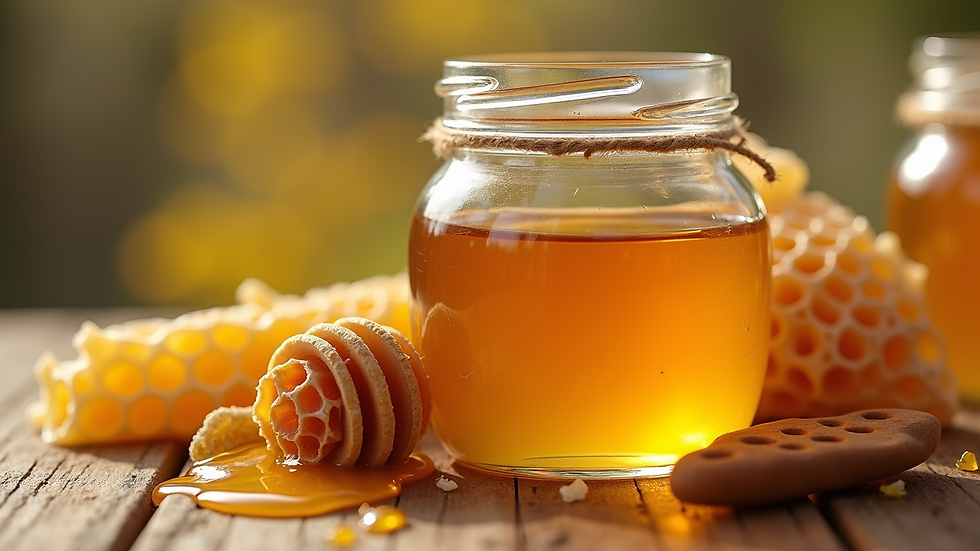
Honey color can range from light golden to dark amber, depending on the flowers. Texture can be smooth or slightly crystallized, both natural and delicious. If the honey is overly runny or too thick, it might be processed.
How to Find Local Honey That Suits Your Taste
Everyone’s taste buds are different, and local honey offers a delightful variety of flavors. Some honeys are floral and light, while others are rich and robust. Here’s how we can find the perfect match:
Try Different Floral Sources
Honey from clover, wildflowers, or buckwheat each has a unique taste. Sampling different types helps us discover what we enjoy most.
Seasonal Variations
Honey harvested in spring might taste different from honey collected in late summer. If possible, try honey from different seasons to experience the full range.
Pair Honey with Foods
Use honey in tea, on yogurt, or drizzled over cheese to see how the flavors complement each other. This can help us appreciate subtle notes in the honey.
Ask for Recommendations
Local beekeepers and market vendors often know which honey varieties are popular and why. Their insights can guide us to new favorites.
Supporting Local Beekeepers and Sustainable Practices
When we buy local honey, we’re not just getting a product; we’re building a relationship with the people who care for the bees. Here’s why supporting them matters:
Encourages Sustainable Beekeeping
Small-scale beekeepers often use eco-friendly methods that protect bee populations and the environment.
Boosts the Local Economy
Our purchases help keep local farms and businesses thriving.
Promotes Biodiversity
Healthy bee populations support the pollination of local plants, which benefits the entire ecosystem.
Creates Community Connections
Meeting beekeepers and learning about their work fosters a deeper appreciation for nature and our food sources.

Where to Start Your Search for Local Honey
If you’re wondering how to find local honey, a great place to start is by exploring community resources and online directories. Many regions have local beekeeping associations or cooperative markets that list trusted producers. You can also check out websites dedicated to connecting consumers with local honey sellers.
Ella-Bugs, for example, is a wonderful local source in Posey County, Indiana, offering high-quality, all-natural honey and bee products. Their commitment to sustainable practices and community sharing makes them a trusted choice for anyone wanting to enjoy the natural goodness of local honey.
Bringing Home the Sweetness of Local Honey
Finding the best local honey is a joyful journey. It’s about savoring the unique flavors of our region, supporting passionate beekeepers, and embracing a natural, wholesome product. Whether we drizzle it on pancakes, stir it into tea, or enjoy it straight from the spoon, local honey brings a little sunshine into our day.
So next time you’re out and about, keep an eye out for local honey vendors. Ask questions, taste samples, and choose honey that feels right for you. Together, we can celebrate the sweet rewards of nature and community.
Happy honey hunting!


Comments